
Introduction
Metabolic dysfunction-associated steatotic liver disease (MASLD) is defined as the presence of hepatic steatosis together with at least one cardiometabolic risk factor1 (Fig. 1).

Figure 1. MASLD is the presence of hepatic steatosis together with at least one of the five cardiometabolic risk factors: elevated weight, elevated glucose, triglyceridemia, low high-density cholesterol (HDL-C), and arterial hypertension. OGTT: oral glucose tolerance test; T2DM: type 2 diabetes mellitus; HbA1c: glycosylated hemoglobin.
MASLD takes on great relevance as it positions itself as the most common cause of chronic liver disease, affecting up to 38% of adults globally2 and up to 65% of patients with type 2 diabetes mellitus (T2DM)3.
Mexico is one of the countries with the highest rates of overweight and obesity in the world. In the National Health and Nutrition Survey (ENSANUT), it was found that in the adult population, 76.2% are overweight or obese, and 18.4% suffer from type 2 diabetes mellitus4. In Mexico, a prevalence of MASLD of 49.7% has been estimated5. Therefore, this nomenclature is highly relevant for such a prevalent disease (Table 1).
Table 1. Key points about the new nomenclature
| The term NAFLD is eliminated and the new term MASLD is adopted. |
| The terms negative and alcohol are eliminated to emphasize the metabolic basis of the disease and not be a diagnosis of exclusion. |
| The word fatty is removed from the nomenclature because it is considered stigmatizing. |
| To establish the diagnosis, evidence of steatosis plus some metabolic risk factor is required. |
| The concept of MetALD is introduced for the first time to refer to patients who have both metabolic risk factors and significant alcohol consumption. |
| In Spanish-speaking countries, to provide continuity to the terminology, the English acronyms are adopted: SLD, MASLD, MASL, MASH, MetALD, and ALD. |
| The evidence and recommendations generated under the term NAFLD also apply to MASLD. |
Evolution of the terminology: more than 40 years of history
In 1980, Ludwig et al.6 described a series of 20 liver biopsies from patients in whom they found steatosis of unidentified cause. Characteristically, most of the patients had obesity and some had diabetes, and these findings, in the absence of significant alcohol consumption, were classified as non-alcoholic steatohepatitis6.
In 2009, the European Association for the Study of the Liver (EASL) defined non-alcoholic fatty liver disease (NAFLD) as a condition characterized by an accumulation of fat in the liver with daily alcohol consumption ≤ 20 g in women and ≤ 30 g in men and without other causes of chronic liver disease. It is noteworthy that this definition did not require the presence of any cardiometabolic risk factor7.
From NAFLD to MAFLD
After 40 years without changes in the terminology, in 2020, it was proposed to modify the nomenclature to replace NAFLD with metabolic dysfunction-associated fatty liver disease (MAFLD). The diagnosis at that time required the presence of hepatic steatosis (detected by imaging, biomarkers, scores, or histology) as an entry criterion and the presence of at least two metabolic risk factors8. However, the word “fatty” was maintained, which can be offensive and stigmatizing; the amount of alcohol was not included, which did not allow determining the contribution of alcohol consumption to hepatic steatosis; it did not categorize the disease; and it was proposed by a group of experts without being an official consensus or endorsed by the main global societies9.
From NAFLD to MASLD
In 2023, a consensus led by the American Association for the Study of Liver Diseases (AASLD), EASL, and the Latin American Association for the Study of the Liver (ALEH) proposed a change in the previously established nomenclature in which they proposed changing NAFLD for a new term that would improve some deficiencies of the old one. Some of the aspects that improved the previous terminology were the exclusionary nature of making a diagnosis, the poor recognition of the main cause of the problem, the lack of integration of pathophysiology into the terminology, and the use of a stigmatizing or offensive word.
To arrive at this new nomenclature, a Delphi process was conducted in which physicians from hepatology, endocrinology, and pediatric societies, patient advocacy organizations, and regulatory authorities, among others, participated. Fifty-six countries collaborated with a total of 224 participants, and finally, the new definition and the new term MASLD were reached. To reach consensus, a majority of 67% of the votes was required10–12. After almost 3 years of work, with four virtual rounds and two in-person rounds of Delphi methodology and very interesting active discussions, the new terminology for hepatic steatosis and the diagnostic criteria for MASLD were established (Fig. 2).

Figure 2. New nomenclature for hepatic steatosis.
Representatives from Spanish-speaking countries agreed to use the same acronyms regardless of language to facilitate standardization of the nomenclature13.
More than 70 societies around the world approved this new nomenclature, which has generalized its use, facilitates research, and is reproducible with previous NAFLD studies14. In the last 2 years, more than 4400 articles have been published using this new nomenclature.
Benefits of the new nomenclature
Removing negative terminology allows the coexistence of two diseases in the same patient, including alcohol consumption, something we see frequently9. Furthermore, it is essential to mention that “negative” terms are often used when the fundamental aspects or causes of a disease are unknown, and this disease is assumed in the absence of another. However, hepatic steatosis as a component of metabolic syndrome has a pathophysiology that, although complex, is well defined, so a negative term is incorrect.
Adding the word “metabolic” implies that the cause of hepatic steatosis is related to metabolic risk factors, which are required for diagnosis. Previously, as it was a diagnosis of exclusion, the exclusion of other etiologies was viewed as more relevant, and the contribution of metabolic risk factors by physicians and patients was minimized, which were relegated to being important only in the absence of other causes of steatosis, such as alcohol. For example, in a survey of 250 primary care physicians in the United States of America, it was found that 84% underestimated the prevalence of NAFLD in the general population and in the obese population, 91% recognized NAFLD as part of metabolic syndrome, and only 46% screened for the disease in the obese population with diabetes15. These inconsistencies in recognition evidenced the need for a change in nomenclature.
The new nomenclature (Table 2)
Table 2. Old nomenclature and current nomenclature
| Old terminology | Current terminology |
|---|---|
| FLD | SLD |
| NAFLD/MAFLD | MASLD |
| NASL | MASL |
| NASH | MASH |
| Alcoholic liver disease (ALD) | Alcohol-related liver disease (ALD) |
| MetALD | |
| Other specific etiologies of SLD | |
| Cryptogenic SLD |
Steatotic liver disease (SLD) is the general term for the disease, which includes all people who have steatosis regardless of the cause. It replaces fatty liver disease (FLD)13. It is divided into five subtypes:
- MASLD It is a type of SLD that replaces the term NAFLD10–12. It is divided into MASL (metabolic dysfunction-associated steatotic liver) and MASH (metabolic dysfunction-associated steatohepatitis):
- – MASL: replaces the former term NAFL. These are patients who meet criteria for MASLD, but not for MASH. In general, this would require a liver biopsy, but the current trend is to reduce the number of biopsies and in most cases the absence of steatohepatitis can be inferred using non-invasive studies10–12.
- – MASH: replaces the term non-alcoholic steatohepatitis (NASH). The histological criteria for both are the same10–12.
- Metabolic dysfunction and alcohol-related liver disease (MetALD)
It is a new term in the nomenclature for a subtype of SLD that encompasses patients with cardiometabolic risk factors who also have alcohol consumption. It is classified as MetALD when daily alcohol consumption is 20-50 g in women and 30-60 g in men10–12. - Alcohol-associated liver disease (ALD)
It is a subtype of SLD in which daily alcohol consumption is > 50 g in women and > 60 g in men10–12. - Other specific etiologies of SLD
In the absence of cardiometabolic risk factors and alcohol consumption, other etiologies that generate hepatic steatosis should be sought, such as drug-induced liver injury, lysosomal acid lipase deficiency, Wilson’s disease, hypobetalipoproteinemia, inborn errors of metabolism, hepatitis C virus infection, malnutrition, celiac disease, human immunodeficiency virus, and some environmental exposures (such as hydrocarbon inhalation)9. - Cryptogenic SLD
The new nomenclature recognizes that there will be patients who do not have any identifiable cause, and these will require follow-up with the possibility of being reclassified later as MASLD10–12.
The population with MASLD coincides with the old NAFLD, so information from the latter also applies to the new nomenclature.
A question that arises with any nomenclature change is whether this change will continue to include the same group of patients as the previous terminology. Likewise, the problem arises of whether the treatment used for patients using the previous terminology also applies to the new one. Song et al.16 analyzed 1016 community patients in Hong Kong. Proton magnetic resonance spectroscopy was performed, and 277 were found with intrahepatic triglycerides ≥ 5%. Of these, 247 (89.2%) met all three definitions (NAFLD, MAFLD, and MASLD). Hagström et al.17 reported similar findings in 1333 patients with a previous diagnosis of NAFLD, of whom 99.7% met the criteria for MASLD. This applied to diagnosis, biomarkers, and outcomes. For example, at 10 years from diagnosis, 7.9% of patients with NAFLD and 7.8% of patients with MASLD developed some liver-related outcome, and 10.4% and 10.3% died, respectively17. Thus, it is vital to mention that we are studying the same population with the possibility of categorizing this disease and therefore studying, diagnosing, and treating it better.
To include patients with NAFLD, it would only be necessary to have some cardiometabolic risk factor to classify them as MASLD, a situation that occurs in 95-99% of cases18.
Another aspect that was addressed is detection by non-invasive methods of advanced fibrosis, one of the parameters that most impacts the prognosis of MASLD. In a French cohort of 2187 patients, it was found that the area under the curve for detecting advanced fibrosis by transient elastography and fibrosis-4 index (FIB-4) was similar for both terminologies19.
All this shows that the change in nomenclature does not imply a substantial modification in previous knowledge nor does it alter the previously established foundations on the pathophysiology of this disease.
Natural history (Fig. 3)
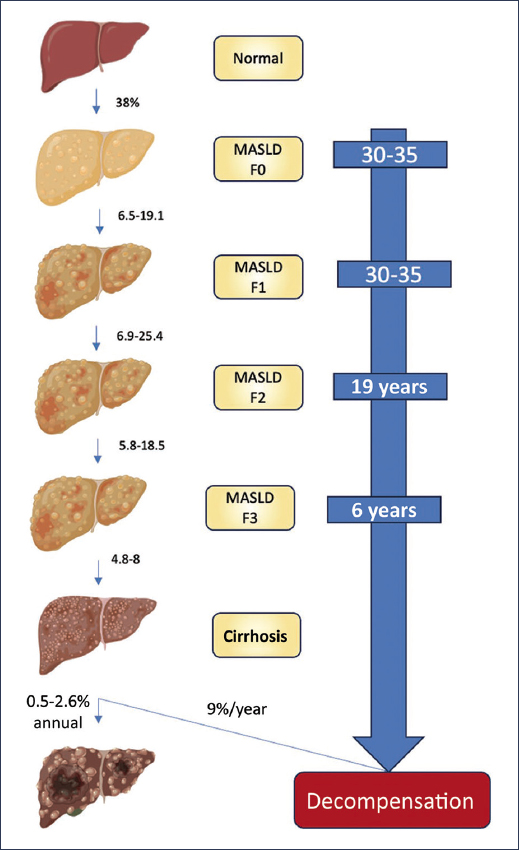
Figure 3. Natural history of MASLD. All progression rates are cases per 100 person-years (adapted from Hagström et al.18).
MASLD is the most common cause of chronic liver disease. Being a multifactorial disease, there will be patients who will progress to advanced fibrosis and cirrhosis, and others will not. This depends on genetic factors, dietary and hygiene habits, and exposure to other hepatotoxic agents, such as alcohol17.
Progression to liver cirrhosis and decompensation
Part of the importance of the new nomenclature lies in the simple and timely identification of MASLD with the primary objective of providing early and timely treatment that stops progression to liver cirrhosis, with all its complications and deterioration in quality of life.
In a study in Olmsted County, in the United States of America, which included 5123 patients with MASLD diagnosed in primary care, it was found that 3% will progress to liver cirrhosis at 15 years20.
The rate at which patients will develop decompensations will depend on the fibrosis stage they are at the time of diagnosis. In a Swedish study with 646 patients diagnosed with MASLD by biopsy, with a median follow-up of 20 years, it was found that of F0 patients 3.7%, of F1 4.3%, of F2 8.7%, of F3 12.1%, and of F4 45% developed a decompensation during follow-up. It was estimated that the average time to present a decompensation was 33-34 years in F0-F1, 23 years in F2, 12 years in F3, and 6 years in F4. This shows that the fibrosis stage constitutes one of the main progression factors, and the earlier patients are detected, the more the natural evolution of the disease can be influenced21.
Liver-related mortality and outcomes in patients with cirrhosis due to MASLD
Patients with MASLD present a dual problem, one being the liver disease itself, with its complications if it progresses, and the other being all the diseases related to metabolic syndrome and the complications associated with cardiovascular risk factors.
Regarding liver-related mortality, in a cohort of 959 patients with biopsy-proven MASLD followed for a median of more than 18 years, of patients who initially had MASLD F0-F3, 8-20% died from liver-related causes, while of those who initially presented cirrhosis, 54% died during follow-up from hepatic causes, so mortality associated with hepatic causes depends to a greater extent on the degree of fibrosis22.
In a prospective study of 1773 patients with NAFLD followed for a median of 4 years, it was found that during the follow-up time, the incidence of all-cause mortality was 1.79, liver-related mortality was 0.68, hepatic decompensation was 2.69, and hepatocellular carcinoma was 0.14 per 100 person-years23. In another study, Ochoa-Allemant et al.24 analyzed cause-specific mortality in a cohort of 366,433 patients, differentiating for the first time MASLD, MetALD, and ALD. They found that cardiovascular diseases and extrahepatic cancer, mainly lung and gastrointestinal, were the main causes of mortality in patients without liver cirrhosis in all subtypes, while in patients with liver cirrhosis, mortality in all subtypes was due to hepatic causes and cardiovascular diseases24. This should be taken into account for systematic screening of cardiovascular risk and cancer screening in order to prevent mortality from these causes.
Impact of the nomenclature on patients
Social stigma
One of the issues that drove the change in nomenclature was the perception of stigma with the term “fatty,” although this sensation of stigma may be variable depending on the population studied. In a survey applied to 1976 patients with NAFLD in 23 countries and 825 health workers in 25 countries, 48% of patients reported having discussed the diagnosis of NAFLD or NASH with their family members. The term MAFLD or metabolic disease was never used in more than 84% of patients, which may reflect little relevance or poor recognition of the new terminology by the population or poor understanding of it. When asked about the perception of the terms NAFLD, FLD, NASH, or MAFLD, no substantial differences were found. The most frequent response was that patients were neither comfortable nor uncomfortable with any of the terms (56-71% of responses). However, in the United States of America and Southeast Asia, 47-52% were uncomfortable with the previous terminology, which may highlight some variability in the perception of stigma according to region, or also that the perception of stigma depends in part on translation into the local language. Eight percent reported having experienced discrimination or stigmatization due to the term NAFLD. As for health workers, 38% considered the term “fatty” as stigmatizing25.
In Mexico, a survey was conducted of 163 people in Mexico City. Of these, 69.5% indicated the term “alcohol” as stigmatizing in the name of the disease and would prefer to remove it. On the other hand, 85.6% of respondents did not perceive the word “fatty” as stigmatizing and would prefer to keep it in the terminology to facilitate communication26.
With the above data, we can think that the perception of previous terminology as stigmatizing varies among patients, providers, and geographic regions.
Empowerment
The current term explains by itself that a fundamental aspect is the presence of metabolic syndrome or risk factors for it. This allows explaining to patients directly and positively what the reason for their disease is and, therefore, what the main preventive and therapeutic options are.
It is important to make patients aware of the changes in terminology and explain to those previously diagnosed as NAFLD the change to MASLD and the reason for it. This change in nomenclature can be an opportunity to explain the term and raise awareness about the disease27.
We know that the fundamental pillar in the prevention and treatment of metabolic syndrome is lifestyle changes to improve glycemic control, blood pressure, central obesity, and dyslipidemia, and this requires significant commitment on the part of the patient. Linking this new term with all components of metabolic syndrome allows the patient to more easily recognize their role and how they can contribute to improving MASLD. It is also essential to inform patients about the fibrosis stage they are in, since it has been observed that ignorance of this aspect is associated with low adherence to lifestyle changes28.
This new term allows understanding what is present (metabolic dysfunction) and not only seeing what is not (non-alcoholic), as well as understanding the why of therapeutic and preventive interventions.
The new terminology, by not being stigmatizing, allows people with this disease to make the decision to seek medical attention, join support groups, or demand support within their own family.
Current diagnostic criteria and diagnostic algorithm for SLD (Fig. 4)
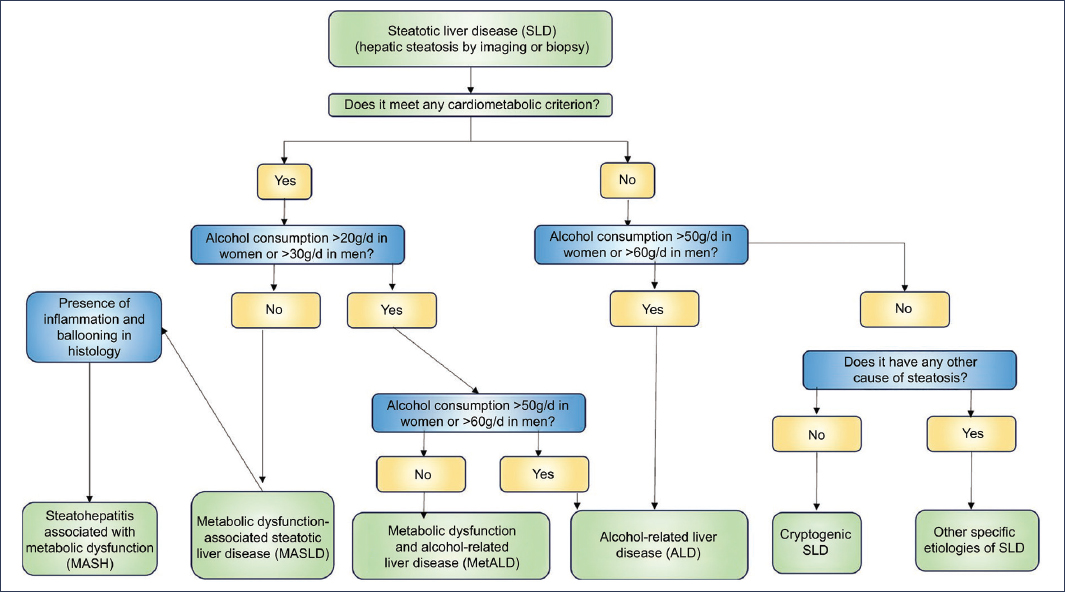
Figure 4. Algorithm and diagnostic criteria for MASLD and SLD.
In a simplified way, it can be said that if the answer to the following three questions is “yes” for a patient, the diagnosis of MASLD is established:
- 1) Does the patient have steatosis identified by imaging (including transient elastography) or biopsy?
- 2) Does the patient have any cardiometabolic risk factor?
- 3) Does the patient not have another identifiable cause of hepatic steatosis?
Aspects that should be improved in the future in the nomenclature
Certainly, the new nomenclature represents an enormous step in the care of patients with MASLD, and it also has the advantage of being perfect and dynamic.
Here we propose some areas of opportunity:
- – The term “metabolic” does not always have a clear understanding for patients. It is resolved by explaining it and this helps greater awareness.
- – The metabolic dysfunction that causes MASLD is insulin resistance, but of the cardiometabolic risk factors to diagnose it, not all contribute equally to insulin resistance. It could be useful to weigh the different risk factors to refine the diagnosis.
- – A person can have hepatic steatosis and insulin resistance, so we recommend seeking the diagnosis of insulin resistance (HOMA [Homeostasis Model Assessment], oral glucose tolerance tests) to diagnose MASLD. For example, MASLD in lean patients, although in these it may correspond to other subtypes of SLD.
- – In patients with MetALD, establish biomarkers that allow seeing which of the two components predominates, since in the current classification alcohol consumption is based on the self-reported amount.
- – Patients, even when they have multiple cardiometabolic risk factors, if their daily alcohol consumption is > 50 g in women or > 60 g in men, are classified as ALD, removing the weight in the terminology from the rest of the cardiometabolic risk factors they may have.
Conclusions
The new nomenclature allows unifying criteria for use both in clinical practice and in research, eliminating terms that are erroneous or stigmatizing, and making it clear that this is not a diagnosis of exclusion, but a diagnosis with well-established criteria based on the pathophysiology of the disease, which allows categorizing it. This nomenclature is still new and we will undoubtedly see all its applicability in the coming years, as well as the areas that need to be improved.
Funding
The authors declare that they have not received funding for this article.
Conflicts of interest
The authors declare that they have no conflicts of interest.
Ethical considerations
Protection of people and animals. The authors declare that no experiments have been conducted on human beings or animals for this research.
Confidentiality, informed consent, and ethical approval. The study does not involve personal patient data or require ethical approval. SAGER guidelines do not apply.
Declaration on the use of artificial intelligence. The authors declare that they did not use any type of generative artificial intelligence for the writing of this manuscript.
