
Introduction
Functional constipation (FC) or chronic constipation (CC) is a common gastrointestinal disorder characterized primarily by symptoms including infrequent bowel movements, straining during defecation, hard stools, abnormally prolonged defecation time, the need for digital maneuvers, and a sensation of incomplete evacuation.1 CC has a high worldwide prevalence, ranging from 9% to 20% depending on the definition used, and is associated with impaired quality of life and increased utilization of healthcare resources.1,2 Despite the availability of multiple pharmacological and non-pharmacological therapeutic options for CC, patient satisfaction with treatment continues to be suboptimal. In a large European survey on CC, Müller-Lissner et al.3 reported that approximately one-third of patients were dissatisfied with their current treatment, underscoring the limitations of conventional strategies and the importance of optimizing patient-centered therapeutic approaches.
It is well established that the Rome criteria are highly useful for diagnosing disorders of gut-brain interaction, which include at least three different subtypes of constipation: 1) irritable bowel syndrome with constipation predominance (IBS-C), 2) idiopathic or functional chronic constipation (CC/FC), and 3) dyssynergic defecation (DD).2,4,5 However, these criteria do not provide a precise definition for patients who do not respond to or fail conventional treatments. It is therefore essential to identify patients who “fail” or are considered “refractory” to treatment, since it is not always clear whether this lack of response stems from an incomplete evaluation – which prevented adequate characterization of their phenotype (IBS-C, CC, or DD) – or from suboptimal therapeutic management.5
The objective of this narrative review is to offer a practical, literature-based perspective on the diagnosis and management of refractory constipation (RC) in adults. It is based primarily on the most recent international updates and is complemented by available international and national literature, as well as current national recommendations.5,6
Method
A narrative review was conducted on the evaluation and management of RC in adults, using the AGA Clinical Practice Update on Evaluation and Management of Refractory Constipation: Expert Review as the foundational document and its best practice recommendations as a framework for structuring this review.5 To supplement the evidence and provide national context, a targeted literature search was performed in PubMed and the Revista Mexicana de Gastroenterología. Articles published between 2016 and 2026 were prioritized, though older literature considered of high impact was also incorporated. Both controlled vocabulary and free-text terms were used, including: “refractory constipation,” “chronic constipation,” “chronic idiopathic constipation,” “functional constipation,” “slow-transit constipation,” “dyssynergic defecation,” “pelvic floor dysfunction,” “anorectal manometry,” “balloon expulsion test,” “defecography,” “colonic transit,” “biofeedback,” “prucalopride,” “linaclotide,” “lubiprostone,” “colectomy,” “defecatory disease,” “anorectal disease,” “vibrating capsule,” “pyridostigmine,” “colchicine and constipation,” and “orlistat and constipation.” Additionally, a targeted manual search of the reference lists of key articles was performed to identify relevant literature, including publications in Spanish pertinent to the Latin American context. Guidelines, consensus statements, systematic reviews and meta-analyses, literature reviews, clinical trials, and observational studies with clinical applicability to adult populations were included. Studies focusing exclusively on pediatric populations, pregnancy, or settings not comparable to RC in adults were excluded. Information was integrated through narrative synthesis, and no meta-analysis was performed.
As this work is based on published literature, without human subject involvement or use of identifiable personal data, neither informed consent nor ethics committee approval was required.
Definition
Although no standardized definition of RC existed until recently, the term has traditionally been used to refer to patients with CC who do not respond to lifestyle modifications (increased physical activity, fluid intake, or soluble fiber) or to osmotic or stimulant laxatives.7
Recently, the American Gastroenterological Association (AGA) issued a series of expert-developed recommendations, in which RC is defined as “the presence of infrequent or unsatisfactory bowel habits, with or without abdominal discomfort, despite appropriate lifestyle interventions and medical therapy, or pelvic floor biofeedback therapy (BFT) when indicated, in patients with a prior diagnosis of IBS or FC”.5
This expert group also considers that before classifying patients as refractory (see below), evaluation with anorectal manometry (ARM) and the balloon expulsion test (BET) is necessary, and a targeted assessment for secondary causes – such as neurological comorbidities and medication use – must also be performed.5,8
Prior to this definition, an international expert panel led by Jan Tack proposed a definition of therapeutic failure in CC when patients, during the preceding 2 weeks, meet at least one of the following criteria:9
- –Complete bowel movements < 3 times per week and incomplete evacuation most of the time.
- –The need to strain or push during the majority of bowel movements.
- –No improvement in stool consistency with current therapy (Bristol score < 3).
- –Insufficient improvement or worsening of other signs and symptoms.
- –Poor tolerability to treatment that renders the benefit obtained unacceptable.
Diagnostic approach
RC should be understood as a condition defined by the documented failure of comprehensive, directed management, and one that demands a systematic evaluation to prevent overclassification and the premature use of invasive interventions.4 Three fundamental conditions must be met before a patient with CC is classified as refractory:
- –Appropriate clinical diagnosis: It is highly relevant to confirm that the condition represents CC/FC, IBS-C, or DD according to current diagnostic criteria.5,10 This pathophysiological classification is determinative, as each phenotype requires a different treatment approach. In patients with DD, the primary mechanism is inadequate defecatory coordination (dyssynergia), whereas in patients with CC/FC, a subgroup has documented slow colonic transit (colonic inertia), and in patients with IBS-C, the hallmark feature is the predominance of symptoms without evident physiological abnormalities. Therefore, beyond symptom inquiry, physiological testing is necessary to assess specifically for the presence of each of these phenotypes.2,4,8 Furthermore, it is essential to obtain a thorough clinical history with targeted questions to identify the phenotype (Fig. 1) and to perform a detailed physical examination that includes a complete digital rectal examination, in order to prevent diagnostic errors (Table 1).
- –Exclusion of secondary causes: Numerous secondary causes of CC must be considered in the context of RC (Table 2), including medication use, eating disorders, neurological comorbidities, delayed gastric emptying, and small intestinal dysmotility.5,9–12 Medications represent one of the most common iatrogenic causes of CC/EC,13 with opioids and anticholinergic agents being notable examples.5
- –Prior treatment: In all patients with suspected RC, it is essential to verify that initial treatment was adequate in terms of dose, duration, and adherence (Fig. 2). Before proceeding to physiological testing, it should be confirmed that the patient has received an adequate therapeutic trial and pharmacological optimization, including dietary measures, fiber or osmotic laxatives such as polyethylene glycol and lactulose, and, when necessary, stimulant agents, and that relevant symptoms persist despite these interventions.14
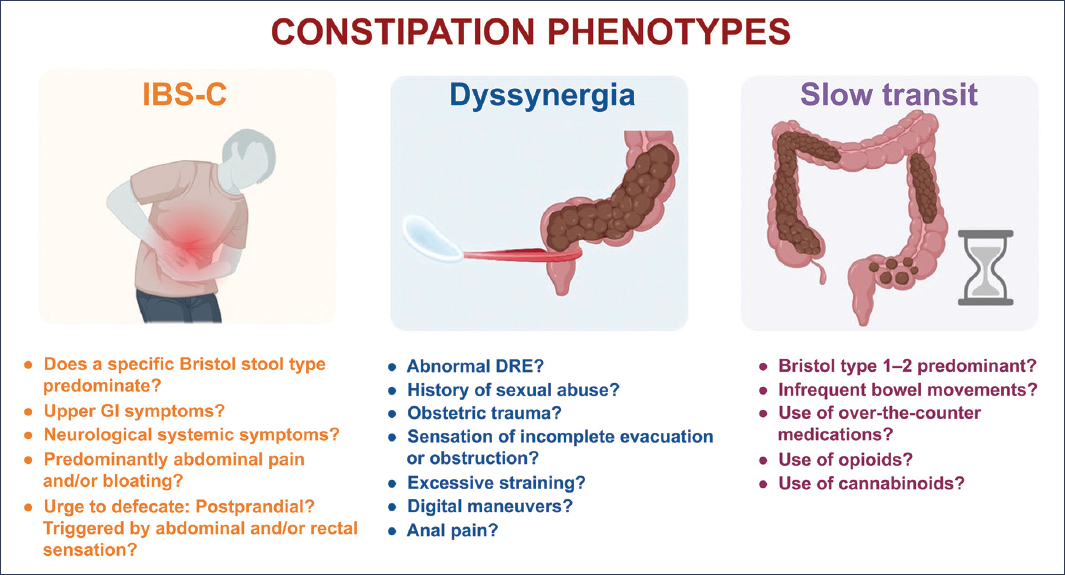
Figure 1. Important clinical questions for the differentiation of subtypes of primary idiopathic chronic constipation (translated and adapted from Camilleri and Brandler7). DRE: digital rectal examination; GI: gastrointestinal; IBS-C: irritable bowel syndrome with constipation predominance.
Table 1. Common errors in the evaluation of refractory constipation
| Error | Cause | Solution |
|---|---|---|
| Incomplete evaluation of RED | Inadequate digital rectal examinationResults “normal” on anorectal manometry despite high pre-test probability of REDFailure to perform structural pathology studies despite high pre-test probability | Perform a digital rectal examination and evaluate for pathology 3 phases: rest, anal contraction, straining 2 positions: lateral decubitus, squattingVisualize and palpate across all 3 phasesDocument the pre-test probability of RED before the studyMost predictive findings for RED: Abnormal digital rectal examination Low rectal pressure during straining < 45 mmHg Type IV dyssynergia Positive rectoanal pressure gradient (normal)Obtain a complete pelvic floor clinical history Obstetric history (vaginal deliveries, perineal tears) History of sexual abuse Spontaneously reported symptoms Digital maneuvers Sensation of obstruction Sensation of incomplete evacuation Fecal incontinence, urgency Sensation of pelvic pressure or bulging Anal pain Deterioration of sexual life Urinary dysfunction |
| Incomplete pharmacological history | Over-the-counter medications not reportedPrescription medications with poorly recognized effects on colonic motilityUse of recreational substances | Intentionally inquire about causative agents Diphenhydramine Antiallergic agents (cetirizine, fexofenadine) Antacids Herbal products (peppermint oil)Intentionally inquire about common causative prescription drugs 5-HT3 antagonists (ondansetron) PromethazineIntentionally inquire about cannabinoids and opioids Tetrahydrocannabinol preparations |
| Inadequate evaluation of systemic disease | Insufficient exploration of extra-gastrointestinal symptoms suggesting systemic disease | Investigate key systems and physical examination findings Skin (sclerodactyly, laxity, easy bruising) Neurological (peripheral neuropathy, resting tremor) Psychiatric (body mass index, findings suggestive of bulimia) |
|
RED: rectal evacuation disorder. Adapted from Camilleri and Brandler.7 |
||
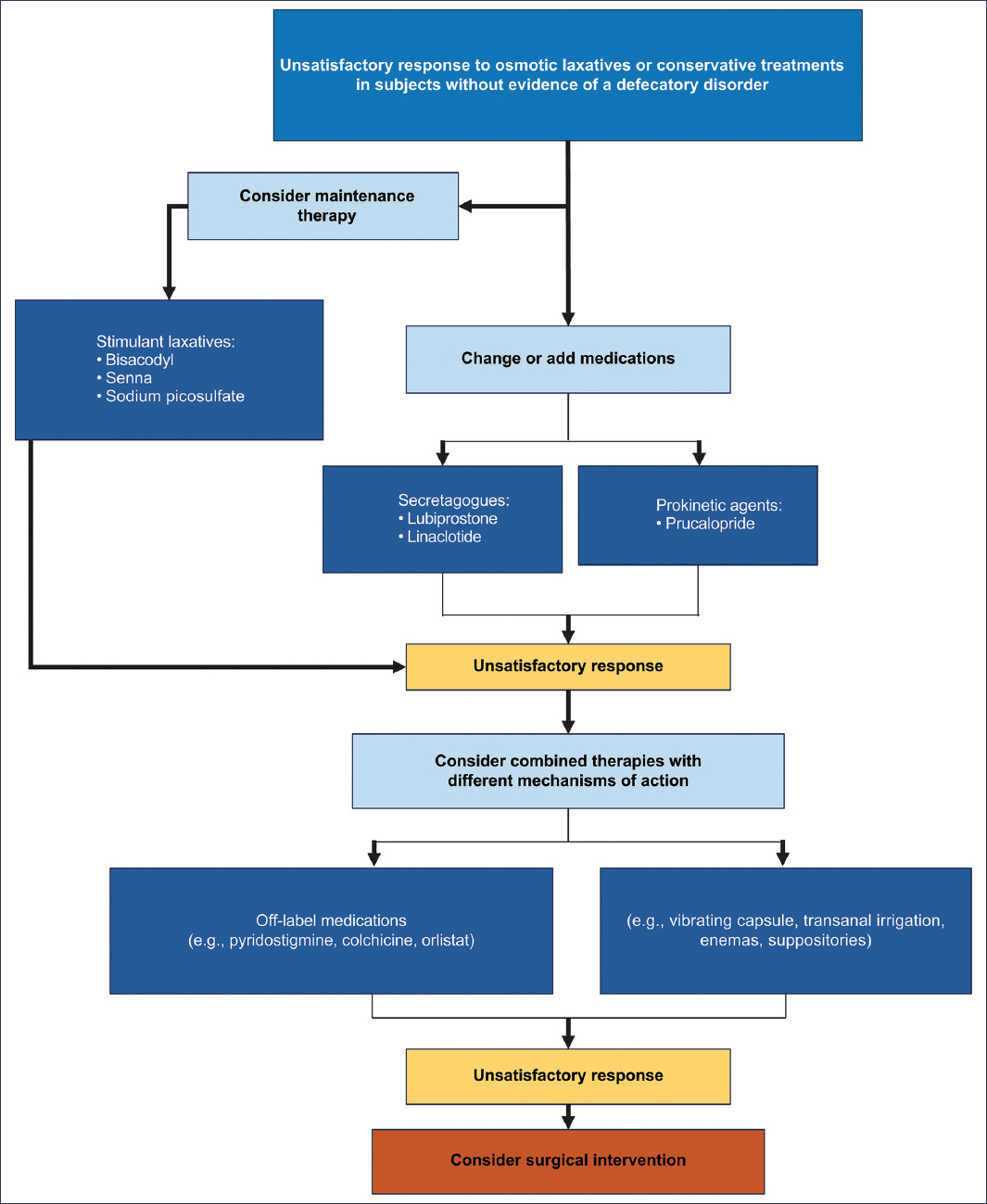
Figure 2. Suggested algorithm for the pharmacological treatment of refractory constipation (translated and adapted from Staller et al.5).
Table 2. Secondary causes of constipation
| Categories | Examples |
|---|---|
| Medications Analgesics Antihypertensives Antiemetics Antacids Antiallergic agents Central nervous system Antidepressants Antiparkinsonian agents Neuroleptics Antidiabetics GLP-1 analogs GLP-1 and GIP analogs | Opioids, tramadolCalcium channel blockersDiuretics5-HT3 blockersPromethazineCalcium carbonateAluminum hydroxideAntihistaminesTricyclic antidepressantsCarbidopa-levodopaTypical and atypical antipsychoticsSemaglutide, liraglutide, lixisenatideTirzepatide |
| Metabolic diseases Endocrine Electrolytes | Diabetes mellitusHypothyroidismHyperparathyroidismHyper- or hypocalcemiaHypokalemiaHypomagnesemia |
| Neuromuscular diseases Neuropathy Myopathy | ParkinsonismMultiple sclerosisSpinal cord injuryAutonomic neuropathyAmyloidosisParaneoplastic neuropathyPrimary megacolon or megarectumSystemic sclerosisEhlers-Danlos syndromeAmyloidosis |
| Obstruction Mechanical Functional | Colorectal neoplasmDiverticulitisPseudo-obstruction (intestinal, colonic) |
| Psychiatric diseases Mood disorders Eating disorders | DepressionAnorexia, bulimia |
| Lifestyle Exercise Diet | ImmobilityDehydrationLow fiber intake |
|
GIP: glucose-dependent insulinotropic polypeptide; GLP-1: glucagon-like peptide-1. |
|
Diagnostic tests
During physiological evaluation, defecatory disorders must be identified and excluded using ARM and the BET as first-line diagnostic tools.5,8,15,16 The BET allows quantification of defecatory capacity; the normal expulsion time depends on the technique and balloon type and may range from < 1 minute to 5 minutes, but in the most standardized protocol (50 ml balloon with the patient seated in a comfortable position), expulsion within < 1 minute is considered normal.5,14 However, the BET alone should not be used to confirm or exclude dyssynergia, as it is only one of the elements supporting a diagnosis of DD and must be accompanied by ARM evaluation. Manometric findings suggestive of DD include a reduced rectoanal gradient, elevated resting anal pressure, reduced anal relaxation, poor rectal propulsion, or an elevated defecatory index. According to the Rome IV classification, at least two of three abnormal tests (ARM, defecography, or BET) are required for a diagnosis of DD.5,17,18 Thus, the combination of ARM with the BET is generally sufficient to establish the diagnosis of defecatory disorder due to DD (Fig. 3). Moreover, these studies provide useful prognostic information for identifying patients most likely to respond to pelvic floor BFT, which is considered the central, first-line intervention for this group of disorders.18
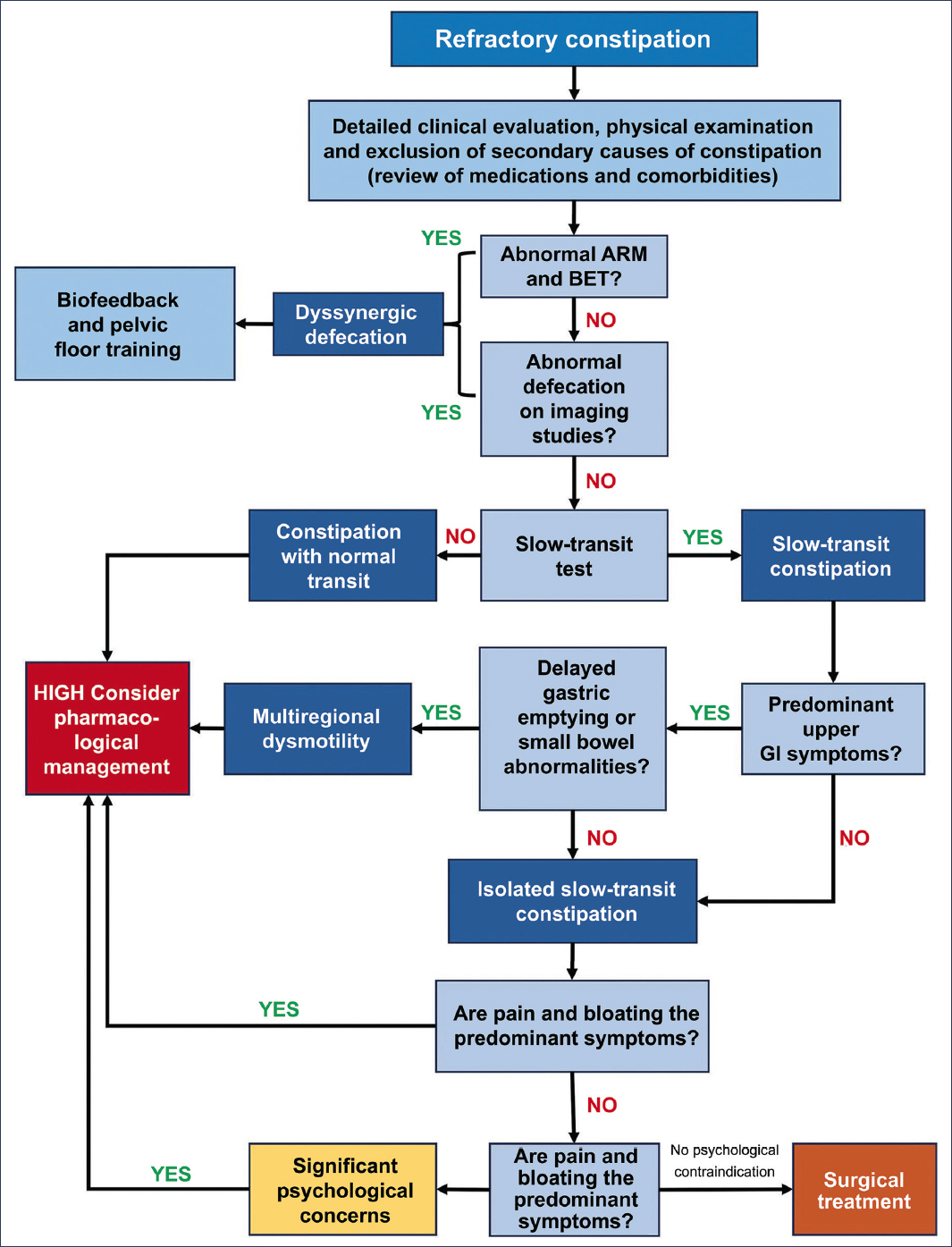
Figure 3. Colectomy candidates require confirmation of slow-transit constipation, exclusion of defecatory disorders, evaluation of multiregional dysmotility, and the absence of psychological contraindications to surgery (translated and adapted from Staller et al.5). GI: gastrointestinal; ARM: anorectal manometry; BET: balloon expulsion test.
If evaluation confirms a defecatory disorder, pelvic floor BFT should be considered a mandatory treatment. The majority of patients with CC suspected of being refractory should complete a course of BFT when indicated before being classified as RC, as 37% of patients with CC who undergo pelvic floor testing have DD. The success of this therapy depends on appropriate patient selection.5 Normalization of the BET following pelvic floor BFT suggests resolution of the defecatory disorder.5,18
Physiological evaluation must take into account that a significant number of patients with a defecatory disorder also have CC, and therefore precise phenotypic characterization is indispensable to avoid misinterpreting delayed colonic transit (inertia) as a true state of refractoriness.5,16,17 Diagnosing CC as the slow-transit colonic phenotype guides the optimization of specific pharmacological strategies or, in selected cases, consideration of surgical alternatives.5,19 Tests used to evaluate colonic transit include radiopaque marker transit studies, scintigraphy, and the wireless motility capsule.6,20–22 Before undergoing these studies, patients should have discontinued laxative use for at least 7 days and medications that delay colonic transit for at least 2 weeks. Once the test is performed, it is recommended to repeat it under a laxative regimen in order to document refractoriness.5
On the other hand, contrast defecography or magnetic resonance defecography is a complementary test indicated when ARM and BET findings are inconclusive, or when structural abnormalities are suspected.22,23 These tests allow evaluation of anorectal mechanics during attempted defecation, as well as changes in the anorectal angle and pelvic floor descent,24 in addition to documenting structural abnormalities such as rectocele, enterocele, or intussusception. Their interpretation must be carried out in conjunction with the clinical context and functional test results.14 The finding of structural abnormalities is not sufficient to establish a correlation with symptoms, nor does it constitute a definitive criterion for surgical treatment, as some anatomical abnormalities may be a consequence of an underlying functional disorder, such as dyssynergic defecation; therefore, the therapeutic decision must be grounded in the integration of clinical and physiological findings.14
Treatment
Pharmacological
Before considering surgical treatment (Figs. 3 and 4), it is recommended to adequately document refractoriness to medical treatment, using approved prescription agents for CC, either as monotherapy or in appropriate combinations according to the patient’s pathophysiological phenotype. It is also essential to optimize dosing and confirm that the duration of treatment has been adequate.5,25
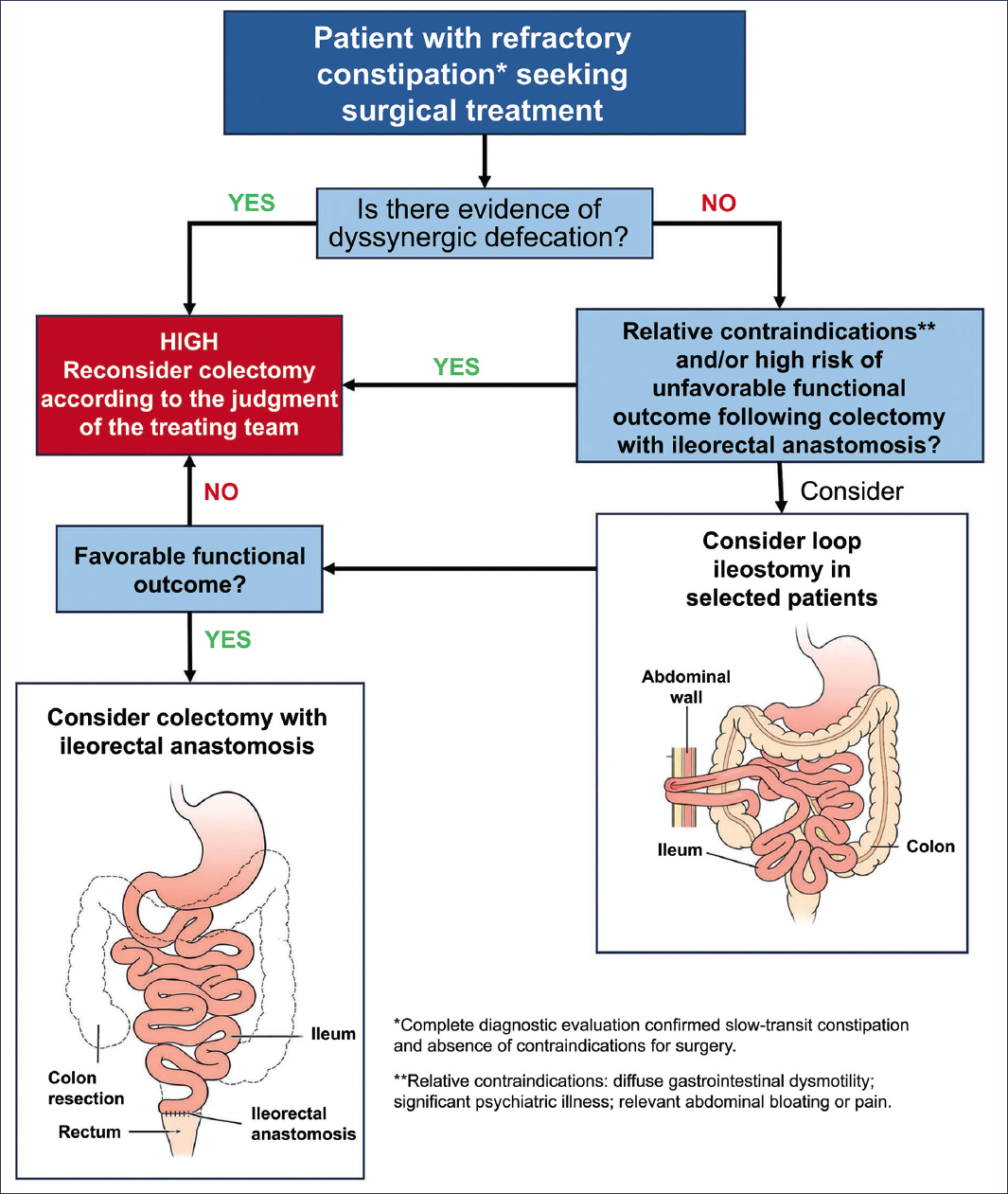
Figure 4. Suggested algorithm for the selection of the type of surgical procedure in the treatment of refractory constipation (translated and adapted from Staller et al.5).
AGA guidelines have proposed stepwise approaches: osmotic laxatives, primarily polyethylene glycol and lactulose, are considered first-line agents, while stimulant laxatives, such as bisacodyl, are used as rescue therapy, ideally on an intermittent basis, although some patients may benefit from regular administration.2,5 Bisacodyl is a member of the diphenylmethane family that exerts a unique dual effect on intestinal secretion and motility and has demonstrated efficacy and good tolerability in the treatment of constipation. Its adverse effects include muscle weakness, nausea, vomiting, diarrhea, and rectal irritation.26,27
Similarly, guidelines from the Asociación Mexicana de Gastroenterología and the American College of Gastroenterology support a treatment foundation that includes bulking agents such as fiber/psyllium when colonic transit is normal and dyssynergia is not suspected; osmotic laxatives as the most effective long-term agents; and stimulant laxatives for short periods as rescue therapy25,28 (Fig. 2). Subsequently, advancement to secretagogues such as lubiprostone and linaclotide, and to prokinetic agents such as prucalopride, may be considered depending on availability.6,25
In cases of inadequate response to approved agents for this disorder, off-label agents may be employed, such as pyridostigmine, metformin, colchicine, and orlistat. However, the availability, accessibility, safety profile, and cost-effectiveness of these agents should be prioritized.5 Pyridostigmine, a reversible cholinesterase inhibitor, prevents the degradation of acetylcholine and increases its concentration at the synapse, thereby facilitating impulse transmission at the neuromuscular junction,26 and has therefore been associated with increases in intestinal motility and transit in subjects with motor neuronal involvement. Furthermore, this agent has demonstrated benefits in the management of CC in subjects with autonomic neuropathy and in cases of recurrent pseudo-obstruction in patients with type 2 diabetes.29 However, the effect of pyridostigmine on colonic transit and CC has not been comprehensively detailed.30
On the other hand, an increase in intestinal transit has been observed in subjects with type 2 diabetes treated with metformin. Although this agent is not approved as a laxative, it may behave as such in certain clinical contexts.31
Colchicine is primarily used to treat gout but has gastrointestinal adverse effects such as diarrhea, and could therefore be used in RC. In a randomized, placebo-controlled trial, oral colchicine at a dose of 0.6 mg three times daily was associated with an increase in bowel movements and acceleration of colonic transit.32 It has been described that colchicine may promote intestinal secretion and reduce water and electrolyte absorption, which may account for its laxative effect. This agent could be considered on an individualized basis when approved therapies have failed.32,33
Another example of an off-label agent is orlistat, a lipase inhibitor used for weight loss, which has been described as an adjuvant option in RC due to its gastrointestinal side effects. In a randomized, placebo-controlled trial in patients treated with clozapine, administration of orlistat 10 mg three times daily was associated with a reduction in the prevalence of constipation at 4 weeks compared to the control group.34,35 It could therefore be considered as an alternative in selected cases.
In patients with RC, the combined use of linaclotide and prucalopride may be considered on an individualized basis when monotherapy is insufficient. Linaclotide, at doses of 145-290 mg once daily, acts as a guanylate cyclase-C receptor agonist, increasing intestinal secretion and improving stool consistency, while prucalopride, at a dose of 2 mg once daily (1 mg in older adults or those with intolerance), stimulates colonic motility through selective 5-HT4 agonism. The combination seeks a synergistic effect by acting simultaneously on secretion and transit, particularly in patients with slow colonic transit and poor response to conventional laxatives. In a retrospective series of 405 patients with CC, the majority were managed with monotherapy (79.7%), while combination use was less frequent: 16.6% received two concomitant therapies, 2.9% used three agents simultaneously, and only 0.7% required four agents at the same time.36 Among the treatments, linaclotide (49%) and prucalopride (37%) were the most commonly prescribed agents in monotherapy and were also the most frequently used in combination regimens. The most common dual combination was prucalopride plus linaclotide, in 61% of dual therapy cases, followed by prucalopride plus lubiprostone (13%). No significant differences in prescribing trends were observed across the different providers.36
Thus, although the formal evidence is limited and is based primarily on clinical experience and small case series, this strategy may be useful in selected cases, with close monitoring of gastrointestinal tolerance – particularly the development of diarrhea, abdominal bloating, and pain – and dose adjustment based on clinical response.
Non-pharmacological
Although non-pharmacological treatments do not constitute the first line of management, they can provide clinically meaningful relief in well-selected patients with RC.
Undoubtedly, BFT allows for training and improvement of abdominal straining, making it more effective, and assists in coordinated relaxation of the anal sphincter, which is the underlying principle by which this therapy is beneficial in patients with DD.37
Another effective alternative in the management of RC is the vibrating capsule, which stimulates motility in the slow-transit colonic phenotype. It has a favorable safety profile, with mild adverse effects and a satisfaction rate of up to 71% of patients from the first 2 weeks of use.38,39
Enemas, suppositories, and bowel cleansing procedures may be useful prior to initiating maintenance treatments, primarily in patients with significant fecal loading (fecal impaction); however, no controlled studies have been conducted to systematically evaluate their utility and safety.6
Surgery
Regarding surgical treatment, appropriate patient selection is crucial to achieve favorable surgical outcomes (Fig. 3). In addition, preoperative evaluation is fundamental to accurately diagnose slow-transit constipation and differentiate it from other causes of constipation, with the aim of reducing complications and symptom persistence following the intervention.20 Patients with IBS-C and DD are not surgical candidates, and in cases where DD and slow colonic transit coexist, DD must be treated prior to any surgical intervention.6,21 Surgical interventions such as abdominal colectomy with ileorectal anastomosis constitute a therapeutic option in patients with slow colonic transit who do not exhibit diffuse upper gastrointestinal dysmotility or defecatory disorders, and in those for whom non-surgical treatment has been ineffective.16,40 Due to postoperative complications, such as worsening of symptoms, colectomy should be reserved for carefully selected cases.41,42
In some patients, a loop ileostomy may be preferred. Despite the complications associated with this procedure (up to 80%), many of them can be successfully managed with minor surgical interventions.43 Notably, in one study, 62% of those who underwent loop ileostomy reported symptomatic improvement and enhanced quality of life.44 Another less invasive alternative compared to surgery is percutaneous endoscopic cecostomy, which can be used as a route for performing colonic irrigations. Fifty percent of patients undergoing this procedure report symptomatic improvement, and it may be preferred over colectomy in those with greater surgical risk due to the presence of comorbidities.8,16
In summary, it is essential to carefully select the appropriate surgical procedure to be performed, taking into account the risks and benefits for each individual patient (Fig. 4).
Psychological aspects
Psychological evaluation is an integral component of the comprehensive management of RC, given the high prevalence of emotional comorbidity and its impact on therapeutic response, which perpetuates symptom persistence.20 Therefore, the identification of psychological comorbidity in patients is fundamental for predicting who may experience unsatisfactory surgical outcomes, particularly in those with defecatory disorders.5,45 Studies have demonstrated that individuals with CC have significantly higher mean depression scores than individuals with normal bowel habits.46,47 Approximately 65% of subjects with defecatory disorders and constipation exhibit some degree of psychological impairment, particularly those with anxiety and depression, and additionally demonstrate poor response to behavioral treatment.48 It has been shown that the greater the severity of constipation symptoms, the higher the depression and anxiety scores.49 In this context, psychological and emotional factors directly influence gastrointestinal function, rendering the surgical option less effective.20
Furthermore, it has been reported that 19% of subjects with CC have some form of eating disorder, which is associated with greater severity of constipation; however, this has not been observed in the postoperative setting.12
Conclusions
RC represents a complex clinical challenge that demands a systematic, stepwise, and pathophysiology-centered approach, avoiding overclassification and the premature use of invasive interventions. This review underscores the importance of confirming an adequate diagnosis, excluding secondary causes, correctly phenotyping patients through physiological testing (ARM, BET, and colonic transit studies), and ensuring that prior treatments have been optimal in terms of dose, duration, and adherence before establishing refractoriness. The management of RC should prioritize pharmacological optimization, including the rational use of drug combinations with complementary mechanisms of action, as well as non-pharmacological interventions such as BFT and emerging therapies in selected cases. Surgery should be reserved for carefully selected patients, following a comprehensive evaluation that excludes defecatory disorders, diffuse gastrointestinal dysmotility, and psychological factors predisposing to poor functional outcomes. Overall, a comprehensive, individualized, and pathophysiology-based approach enables improved clinical outcomes and quality of life in patients with RC.
Funding
The authors declare that no funding was received for this study.
Conflicts of interest
R. Silva-Bravo, M.M. Pérez-Guzmán, and M.I. Remes-Medellín declare no conflicts of interest. J.M. Remes-Troche is an advisor and member of the advisory board for Adium, Carnot, PRO.MED.CS Praha a.s., and Pisa, and a speaker for Asofarma, Abbott, Carnot, Chinoin, Ferrer, Johnson and Johnson, Menarini Centroamérica, M8, Medix, and Medtronic.
Ethical considerations
Protection of persons and animals. The authors declare that no experiments involving human subjects or animals were performed for this investigation.
Confidentiality, informed consent, and ethical approval. The study does not involve personal data, clinical records, or human biological samples, and therefore does not require ethical approval. The SAGER guidelines are not applicable.
Declaration on the use of artificial intelligence. The authors declare that no form of generative artificial intelligence was used for the writing or content creation of this manuscript.
